

NBAU Blog

A coffee Q&A with Christal Austin: climate emergency & disaster preparedness
Christal P. Austin is a PR advisor, international speaker and Director (Ag.) of the Public Affairs Department in the Ministry of Home Affairs and Information in Barbados. In this Q&A, I am delighted to share Christal’s thoughts on disaster management.

AI stakeholders benefit from faster action on risk, not slower innovation
Super-intelligent AI systems are here. It’s only human to feel like “deer in the headlights” attempting to pause or ban the unknown. In hindsight though, technology breakthroughs teach us that kicking the can comes with its own risk. Going faster on learning is a better option than slowing down on innovation.

Coffee with Dr. Ian Mitroff: thinking the unthinkable
Dr. Ian Mitroff and I first met after I read his book “Why some companies emerge stronger and better from a crisis: 7 essential lessons for surviving disaster.” Every time we have virtual coffee I take copious notes. I thought others might benefit from hearing Dr. Mitroff’s thoughts, too, and so came the idea of this Q&A.

No news is not good news: interview tips to connect with a weary audience
If you want to build your career, break whatever ceilings are in your way and make a difference, no news is not good news. This blog has tips for spokespeople to advance their agenda, address media questions, and connect with the audience to build understanding and trust.

PR and (geo)politics: year-end thoughts on headlines and trends to watch
In the biggest headlines and twists of 2022, the lines between communication and (geo)politics blur. Trapped in this dynamic, I decided to face it head on in this humble take on where we, communicators, make a difference in a struggling world.

From the courtroom to the game room: seven steps to crisis resilience for law firms
Most law firms deal with crises every day. Lawsuits. Court battles. Privacy breaches. But what if this happens to them? For organizations operating in crisis-ridden environments, a disaster is a matter of “when,” not “if.” This blog outlines seven steps law firms can take to boost preparedness for these “predictable surprises.”

Rogers system outage: seven steps to better crisis resilience
When I learned about the Rogers outage on Friday, like many Canadians, I wondered what happened, and why it happened in the first place. There was not much in terms of answers.
Rogers’ outage response makes for a telling “how-not-to” crisis management case study other organizations can learn from as they consider steps to better resilience.

Cyber security: the perils of not acting on early warning signals
Three quarters of cyber crises are issues that are not dealt with on time. While this may sound shocking, there are signals one can watch out for warning an organization that potential trouble is on the horizon.

Welcome 2022. Here’s to trying harder!
January is still a little bit like a clean canvass. It’s a wonderful feeling, when there’s so much potential, and a chance to create something valuable in the world. Holiday wishes still echo in the ears: “take what you need into the new year; leave what you don’t behind.” During the break, it seemed like a good idea to take stock. And here’s the result: my personal take at what struck a chord (and should enter the new year) or pinched a nerve (and should stay behind).

Cybersecurity Crisis Management: What Can Go Wrong and How to Get It Right
Hardly a week goes by without a massive hack hitting the headlines. This blog is about nine common mistakes organizations need to fix to keep their stakeholders safe.

Winning the hearts and minds of middle managers
In the second year of the pandemic, the old problem of an absent manager acquires a new urgency. Here are some idea starters on how organizations can rally their mid-level cadre to push through the fatigue of a long-haul crisis.

Why crisis preparedness should have its own global awareness day
Our short memories are one of the biggest risks in crisis management. To safe-guard against it, the world should introduce a global Crisis Preparedness Day so we don’t forget the human cost of the mega crises like COVID-19 and remember the reasons why organizations and countries should commit to preparedness with the right resources, mindsets and best practices.
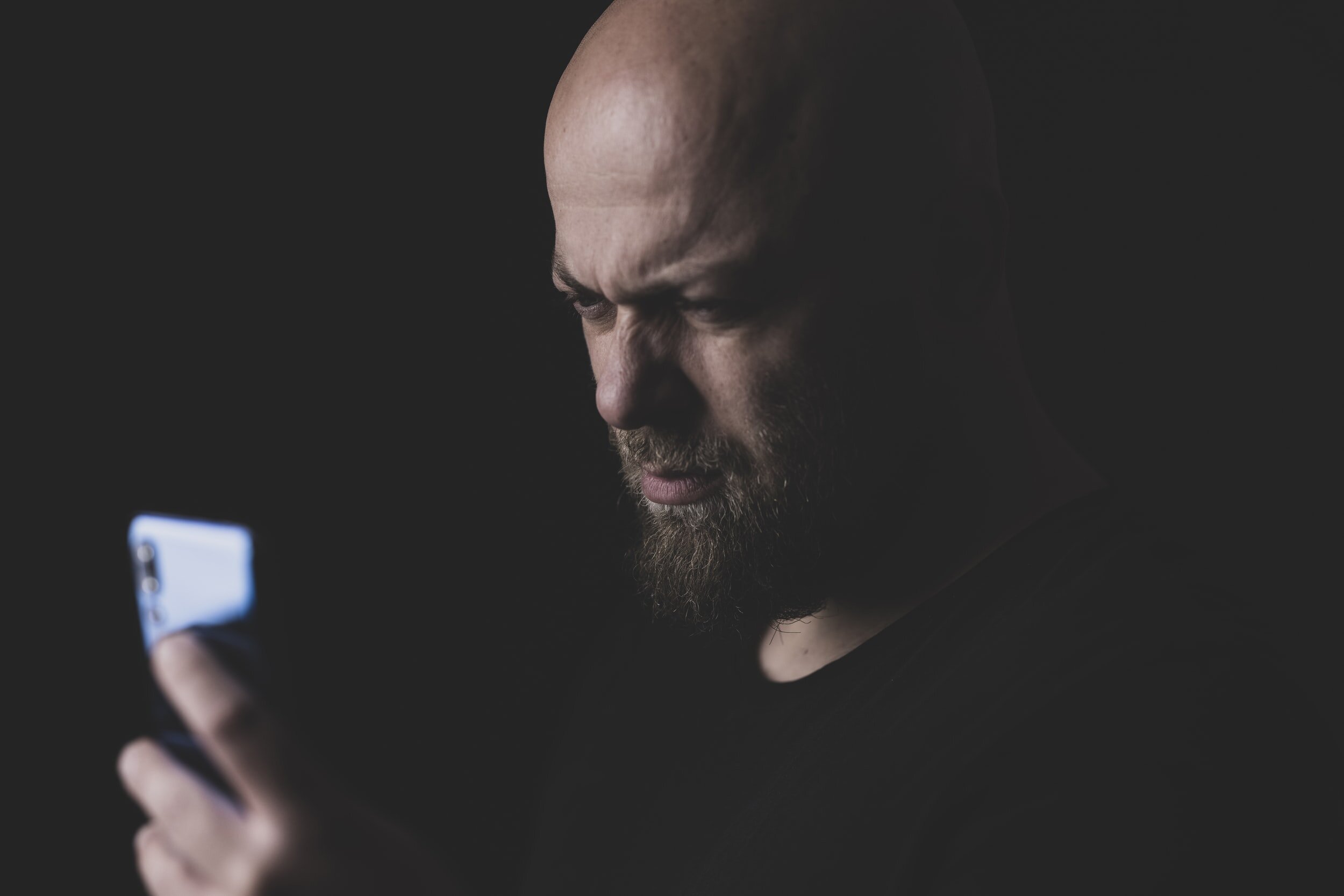
Looking on the bright side of Blue Monday: psychology for leaders to break through, not break down in a crisis
Blue Monday – allegedly the saddest day of the year – is upon us, and it may be hard to see light at the end of the tunnel. This blog offers insights into psychology to help leaders enable growth during trying times.

Crisis preparedness: in hindsight, in times of volatility we need foresight
A medical catastrophe at its core, COVID-19 is triggering multiple secondary disasters, from a shock to national economies to layoffs to travel bans to mental health issues. Unsurprisingly, this global mega crisis has exposed stress points in our structures of preparedness.

COVID-19 pulse check: are virtual teams clicking together?
Thanks to COVID-19, many organizations are now virtual teams working from home, and internal communication is more critical than ever. It’s also more difficult. This blog looks at some common employee challenges and how to handle them.

Building trust inside out: new frontier in comms
When Amazon’s CEO Jeff Bezos said: “We seek to be Earth’s most customer-centric company” two decades ago, it was a bold claim. Today, we’d be hard-pressed to find an organization that doesn’t put its customers first. The argument of this blog: to be customer-centric, organizations must become employee-centric first.
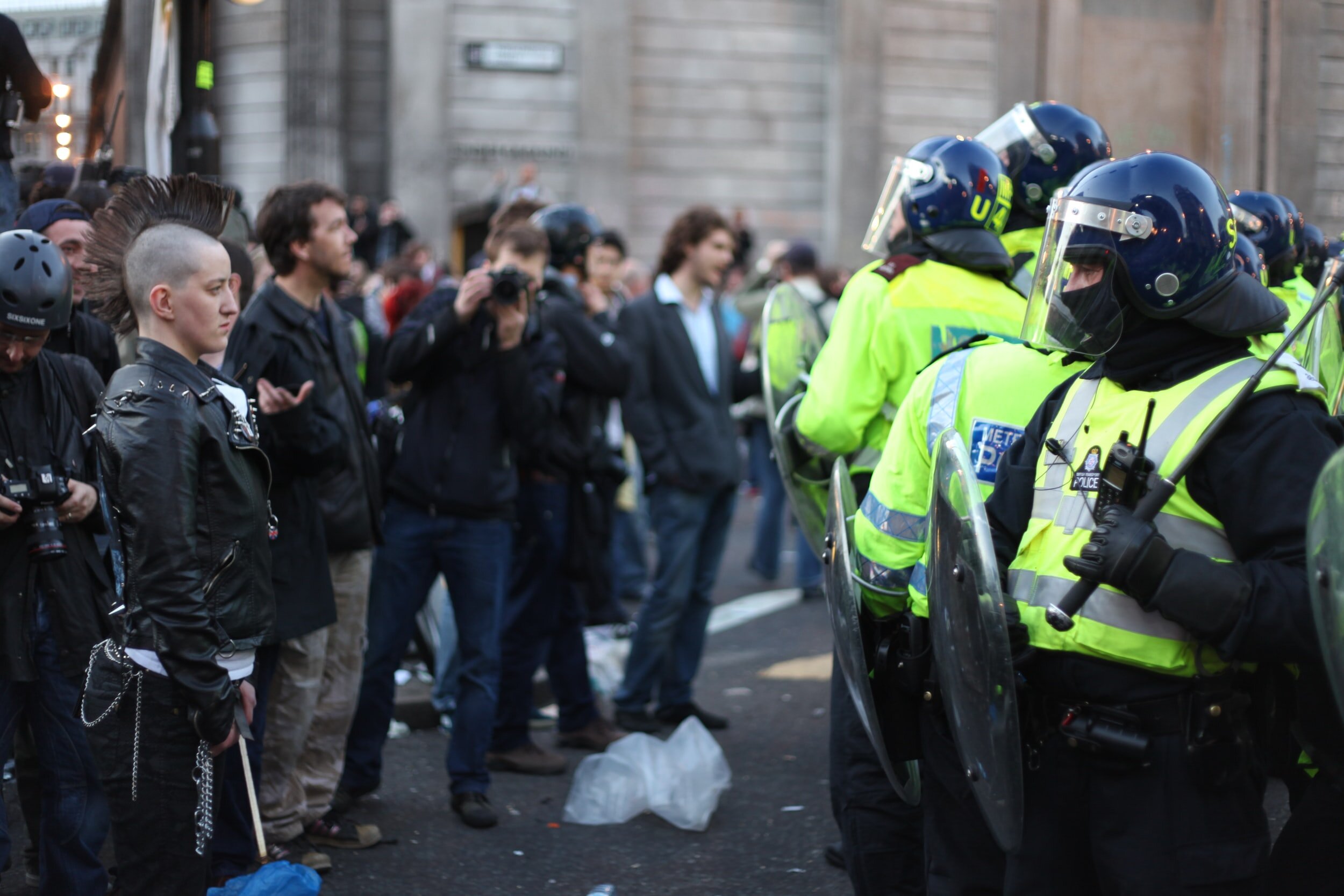
When boards should act, not react, in a crisis
There should be a close relationship between Management and Boards of Directors, and that is particularly true during a crisis. Many organizations do not include, or even mention, their Board in their crisis plans. However, some are learning – often the hard way – that guidance and oversight matter the most when stakes are high.

Is earned media making a comeback?
Traditional media is shrinking. But while there’s fewer media, there’s more news. In fact, we are in a state of content shock. Anyone with a smartphone can publish anything about anything, from oppressive governments to bad customer service to unfair employers. So, are we witnessing a decline or resurgence of earned media?

Getting the C right in the C-suite: Why it’s always personal
As much as we hear “nothing personal” at work, it’s always personal – or we don’t care. The C in the C-Suite could stand for Connection. Getting it right is about finding your way to stay true to your audience.

Five Steps to Becoming a Great Spokesperson
There you are, about to do a media interview. What if you have a mental block? What if the reporter blind-sides you? What if… Here’s some good news: great spokespeople are not made in heaven. They make themselves great through these three P’s of success – Practice. Practice. Practice.